
Cotton
This page highlights the qualities of wildlife friendly certified cotton from India, the inspiring stories of the farmers behind this fiber, and the positive impact of Wildlife Friendly + Regenerative practices on some of the landscapes and biodiversity. Join us in reimagining cotton for a more sustainable future.
Beyond Organic: Cotton with a Purpose
Grown in the Satpura-Pench Corridor of Central India, Regenerative and Wildlife Friendly® certified cotton supports biodiversity, climate resilience, and rural livelihoods. Cultivated without harmful pesticides, this cotton restores soil health, improves water retention, and protects key species. COFE farmers are proving that sustainable farming can revitalize ecosystems and communities alike. Its success depends on textile companies willing to invest in transparent, place-based supply chains that deliver lasting environmental, social, and economic value.
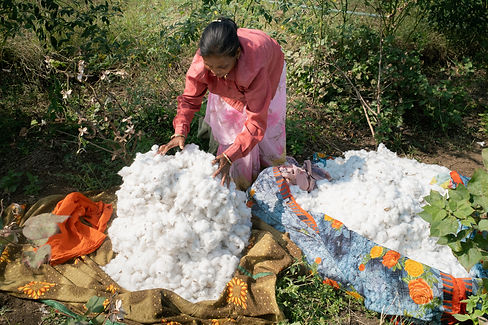
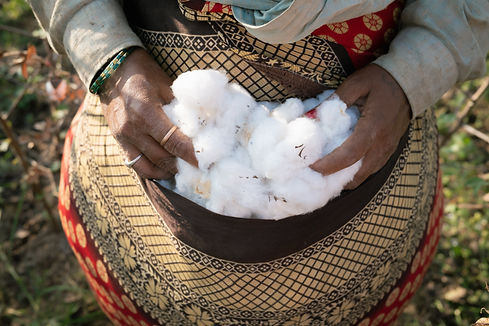
Long-Staple Cotton
An outstanding premium fiber, characterized by its softness and firmness, creating more durable fabrics. Softer, more durable, and more sustainable than conventionally grown cotton, offering numerous benefits for both people and the planet.
SEASONS:
November - March
Stockpiling: November
Available from December
FIBER LENGTH
Long-staple: >29mm and <34mm
USES
From haute couture pieces to rugged outdoor garments, cotton fiber adapts to many uses.
Indian Farmers
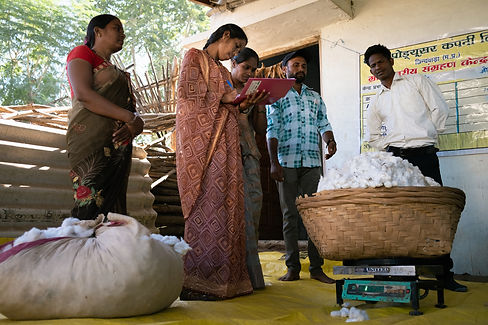
The Satpura-Pench corridor, in central India, is home to farmers who commit everyday to Wildlife Friendly and regenerative cotton farming, constantly improving the quality of this wonderful fiber. These small-scale farmers have shown that when they unite (as in Chhindwara Organic Farmers Enterprise) they can scale their impact in terms of fiber quality, profits, and sustainability. COFE produces more than 1800 metric tonnes of organic cotton annually. Working with WWF-India and SRIJAN, they are actively implementing solutions to regenerate the ecosystem they rely on everyday.
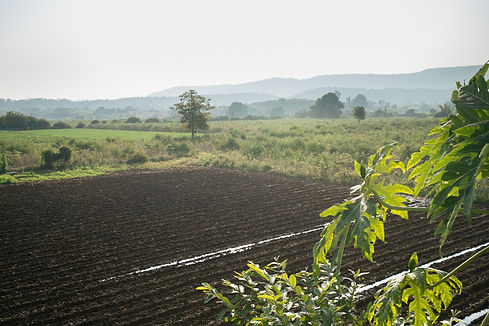
Central Indian Landscapes
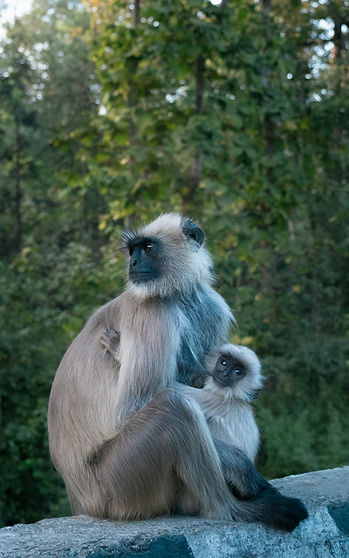
In Chhindwara district, more than 2500 hectares are being protected through Wildlife Friendly and Regenerative management practices, such as developing local bio resource centers offering farmers organic vermicompost, fertilizers and pesticides. Chhindwara is also home to a diverse range of species with which farmers coexist on a daily basis.
Regenerative and Coexistence Practices
COFE farmers cultivate cotton using organic inputs, rainwater harvesting, and biological pest control, reducing dependency on synthetic chemicals while restoring soil health.
With the help of WWF-India and SRIJAN, they ensure farming activities do not disturb local wildlife by maintaining buffer zones, avoiding cultivation near sensitive habitats, and informing farmers on wildlife coexistence options. By promoting sustainable livelihoods and market access, they ensure that this cotton production strengthens climate resilience, community well-being, and the conservation of key species in the area.
Allies for Regeneration and Coexistence
Help us create an opportunity for Wildlife Friendly + Regenerative cotton in the sustainable and luxury textile market. Let's support a responsible fiber that gives back to the Earth and supports farmers' livelihoods.
Regenerative + Wildlife Friendly® Cotton supports biodiversity conservation by maintaining habitat connectivity and fostering coexistence
A renewable and biodegradable fiber, this cotton is grown using organic inputs, eliminating synthetic pesticides and fertilizers that degrade ecosystems.
Reduced carbon footprint of cultivation, as farmers rely on rainwater harvesting, biological pest control, and locally sourced bio-inputs, lowering the carbon footprint of cultivation.
It enhances climate resilience by improving soil health, water retention, and carbon sequestration through regenerative farming practices
Support smallholder farmers who receive training in sustainable agriculture, access to premium markets, and economic stability, ensuring transparent supply chains.